This Tumult
“[the writer’s] subject matter will be determined by the age he lives in – at least this is true in tumultuous, revolutionary ages like our own – but before he ever begins to write, he will have acquired an emotional attitude from which he will never completely escape.”1
Welcome to this tumultuous, revolutionary age, in which we cannot ignore global politics’ cold hard lurch to the right. When Orwell wrote that sentence in 1946, what would he – best known for his speculative warning of a totalitarian future – have made of our current predicament? I think he would have been amused by the breadth and scope of phenomena to which the word Orwellian is applied, and alarmed at our apparent inability to recognise historical patterns. But then a somewhat detached, acerbic amused sense of alarm could describe a common thread throughout his writings – his established emotional attitude, you might say.
So then, what is mine? When I examine my thoughts, my preoccupations, and the starting place from which I leap into speculation, things always come back to human rights. I’m no activist, and certainly no saint. I remember a primary education punctuated by old people constantly banging on about The War as though it had anything to do with our lives. I had what might now be described as an ‘antifa’ upbringing, by parents who were consistently left wing, anti-racist, anti-homophobic, anti-bigotry in general. And then in my first career, in my early twenties, I was heavily involved in the application of the Human Rights Act in public life. Learning and teaching about the history and genesis of the legislation, and applying its principles with fairness to a broad range of real life situations, meant that I ingested the inalienable and universal concepts of human rights wholesale. Were I a stick of Blackpool rock, the Universal Declaration of Human Rights2 would be written in very tiny sticky red letters along my spine.
The rights themselves are simple, and can be neatly summarised in a tidy list of individual rights to some things and freedoms from other things. But “a book is not made of sentences end to end, but of sentences built, if an image helps, into arcades or domes”3. The elegant fundamentals – that each and every person on this teeming and squirming planet has unconditional dignity and value – are thereby constructed into the loftiest and most sacred temples. The complexity of how the freedom from inhuman and degrading treatment might be applied within the criminal justice system, or how one person’s right to live their faith with freedom of speech might interact with another person’s right to respect for private and family life: these are the intricate palaces of legal and moral considerations that have shaped and guided my emotional attitude to everything that happened next.
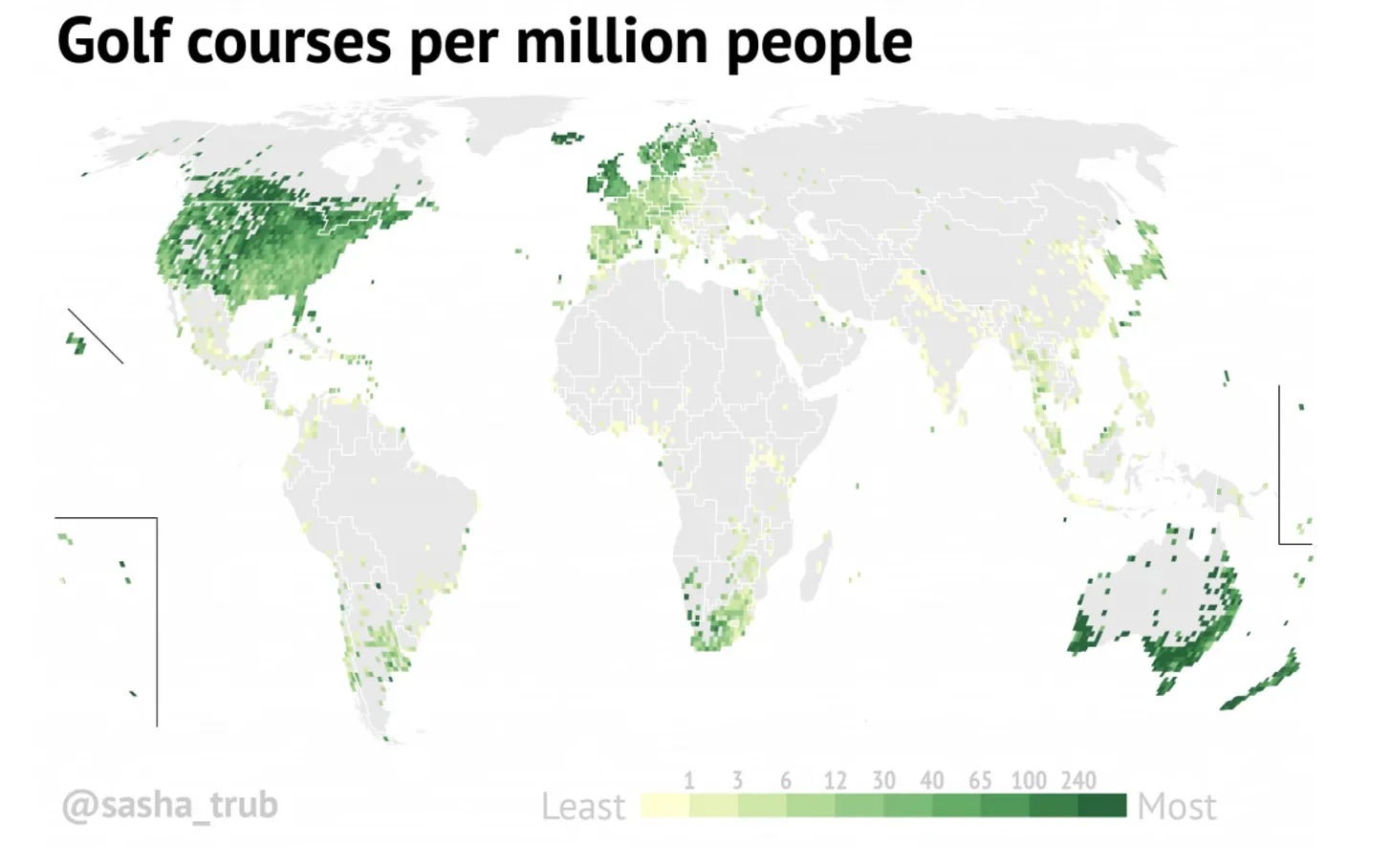
And what is happening next? As each generation of my wise friends (Woolf in the twenties, Orwell in the forties) could probably have predicted a decade ago, the neo-liberal democracies of what I have come to refer to as ‘the golf-playing nations’4 appear to be coalescing around a slant of government so far to the right as to border on despotism – the degree of which depends upon your role in the proceedings. The freedom to be a wealthy, white, male, able-bodied, heterosexual Christian is defended with vigour. With every variation from that model of perfection, you might with some justification feel your rights and freedoms are not so fundamental as you once may have thought. Crises, emergencies and ‘unprecedented times’ lead to emotional policy making.5 Naomi Klein would call it disaster capitalism. Umberto Eco would call it populism. Quite a few of us are looking at what we see and calling it fascism.
The impact of this tumult on my generally calm, benevolent and circumspect emotional attitude is to generate a froth of rage and despair. And that is why I am working on this piece of writing, an exercise in reflective practice to soothe my soul and protect my novel.
“She will write in a rage, where she should write calmly. She will write foolishly, where she should write wisely. She will write as herself, where she should write of her characters. She is at war with her lot.”6
I cannot let my fiction descend into despair, or lean towards haranguing, or erupt in anger. If I put down my feelings of foolish frustration and fear here, it may prevent them from leaking into the worlds of my characters. Those distinct worlds have been created as destinations to which one might escape. They have their own stories to tell and a right and wrong way to go about telling it. They must not be hijacked.
But I can’t just do and say nothing. My word is my sword7, and every day I bear witness to the most egregious acts against the interests of the person, against the interests of the people. I don’t want to look back at this time and have no record of what we thought was going on. To think that we beheld the descent into hell and shrugged our shoulders. Although perhaps that’s all I am doing, but more verbally.
Take for example our attitude to truth and honesty in public life.
“wherever human beings are being made superfluous look out for elements of totalitarianism lurking such as ‘organised lying’”8
In the past, wherever an elected representative had been found to have lied, whether deliberately or through being under- or misinformed, that person would resign in disgrace, in acknowledgement that the privilege of speaking on behalf of ordinary people carries with it responsibility for the highest standards of rigorous probity. Now contrast that with the smirking Boris Johnson dragged to the commons to respond to the debauched spectacle of the Number 10 lockdown drinks parties. I know it’s hardly breaking news, a couple of years later, and somehow we are made to feel this scandal was frivolous, irrelevant and puerile. Why, people ask, are we still hung up on a few glasses of wine and an office snog? Well, for me it is to do with the part where human beings were made superfluous.
Let the bodies pile high. Ignore the potential transmission of a deadly disease that was bringing the world to a standstill, because we – the elite – deserve to let our hair down. When called out on double standards, the lies are outrageous – it’s a work event, it’s an opportunity to test one’s eyesight, it’s a legitimate business expense – because they don’t care whether we’ll swallow them or not. There’s no malice in it, it’s simply that they matter more than we do. And let’s face it, we – living within driving distance of a golf course- matter more than the four billion or so people who don’t.
There’s no malice in it because there’s no thought in it. That’s just how they live, without critical reflection or challenging their own decisions. “Most evil is done by people who never made up their mind to be either bad or good,”9 says Hannah Arendt, who coined the very term we need right now: ‘the banality of evil’. They don’t mean any harm by it, they simply don’t notice or care about the harm it might cause. The self-interest of hyper-individualised neo-liberal populism makes no time to consider. Things must happen harder, faster and with maximum attention. People – whether that’s the community of The People, or persons in general – count for naught, unless their value can be expressed as an economic unit: hard-working families, shareholders, landlords, businessmen, investors, nurses, tenants, customers or investors.
Arendt talks about how dehumanisation has transformed us as a people into ‘economic man’. When you last spoke with a child or young person about their dreams and goals for life, you asked “What do you want to be when you grow up?” Not WHO, but WHAT. This is such a stark revelation of the way a human identity is cheapened by the transactional foundations of our society. We don’t invite the child to consider whether or not they would like to be part of our voracious machine, we ask them which cog they will become.
So there, my subject matter and my emotional attitude are determined. The dignity and value in every human life meets the road-roller of the current economic and political climate, for ever and ever. Orwell called it the boot stamping on a human face. Arendt called it a sandstorm that whips up the dry desert created by our atomised society. They told us what to look out for. Can we see it yet?
1. Orwell, Why I Write, 1946
2. United Nations, 1949
3. Woolf, A Room of Ones Own, 1929
4. https://brilliantmaps.com/golf-courses-per-million-people/
5. Lord Sumption, supreme court judge (retired), June 2022
6. Woolf, A Room of Ones Own again, 1929
7. Hebrews 4:12
8. Arendt, the Origins of Totalitarianism, 1951
9. Arendt, Thinking & Moral Considerations, 1971